Figuring out how to get 150 grams of protein a day can feel like a challenge, especially if your goal is to build muscle or lose fat. The overwhelm isn’t exactly lessened by the amount of conflicting advice out there.
This guide offers a clear, practical approach, featuring balanced meal plans and flexible vegetarian and vegan options to match your needs. With a bit of planning and guidance, meeting your protein goals can be both manageable and sustainable.
Do You Really Need 150g of Protein Every Single Day?
While some people stick to the standard RDA of 0.8g of protein per kilogram of body weight (about 0.36g per pound), others swear by the “more protein, better results” approach. The truth is: how much protein you need depends on a few key factors like your weight, activity level, and personal goals.
Who Should Consider 150g of Protein Per Day?
This is definitely on the high end of protein intake, but it’s especially useful for people in specific situations.
Serious athletes and bodybuilders: if you're training intensely 5–6 days a week, your protein needs are higher to repair and build muscle.
Muscle-building phases: following structured hypertrophy programs to build muscle? That extra protein can help you gain muscle more effectively.
People in a caloric deficit: trying to lose fat while preserving muscle? Protein helps you preserve that lean muscle mass during weight loss.
Older adults: as we age, our bodies require more protein to maintain muscle and protect our bones. For this reason, healthcare providers often recommend a higher intake for those over 50 in order to maintain as much muscle as possible.
Post-surgery or illness recovery: if you're recovering from surgery or illness, your body needs more protein to repair and rebuild tissues.
If you’re wondering how you can consume 150 grams of protein a day, here are a few simple meal and snack plans to get you started.
Omnivore 150 g of Protein a Day Meal Plan
*Nutrient estimates are provided for informational purposes and are not considered exact. Numbers may vary slightly based on brands and preparation methods.
Breakfast: Protein-Packed Greek Yogurt Bowl
410 kcal · 27g C · 8g F · 41g P
1 cup plain Greek yogurt (0% fat)
1 scoop vanilla protein powder
2 tablespoons chopped almonds
1 tablespoon chia seeds
½ cup mixed berries
1 teaspoon honey
Mix protein powder into Greek yogurt until smooth.
Top with almonds, chia seeds, and berries.
Drizzle with honey.
Lunch: Turkey Lettuce Wrap Cups
390 kcal · 13g C · 13g F · 42g P
5 oz lean ground turkey (93% lean)
1 red bell pepper, diced
1 small onion, diced
½ cup mushrooms, sliced
1 tablespoon olive oil
2 cloves garlic, minced
1 tablespoon soy sauce
8 large butter lettuce leaves
2 green onions, chopped
Heat olive oil in large skillet over medium-high heat.
Add onions and bell peppers, cook 3–4 minutes.
Add mushrooms and garlic, cook for 2 minutes.
Add ground turkey, breaking it up with a spoon, cook 6–8 minutes until no pink remains.
Stir in soy sauce.
Spoon mixture into lettuce cups and garnish with green onions.
Dinner: Broccoli Cheddar Orzo with Chicken
600 kcal · 38g C · 18g F · 49g P
5 oz boneless, skinless chicken breast, diced
⅔ cup orzo pasta
2 cups fresh broccoli florets
⅔ cup shredded sharp cheddar cheese
½ cup low-sodium chicken broth
2 tablespoons half-and-half
2 tablespoons olive oil
2 cloves garlic, minced
Salt and pepper to taste
Heat olive oil in large skillet over medium-high heat.
Season chicken with salt and pepper, cook until golden and cooked through (6–8 minutes).
Remove chicken, set aside.
In the same pan, cook orzo according to package directions with chicken broth.
Add broccoli in the last 3 minutes of cooking.
Stir in half-and-half and cheese until melted.
Return chicken to pan, toss to combine.
Snack 1: Cottage Cheese Power Bowl
150 kcal · 6g C · 5g F · 17g P
¾ cup cottage cheese (2% fat)
1 tablespoon chopped walnuts ¼ cup blueberries
Snack 2: Protein Smoothie
200 kcal · 6g C · 10g F · 20g P
1 scoop protein powder
1 cup unsweetened almond milk
1 tablespoon peanut butter
Daily Totals
Calories | Carbs | Fat | Protein |
1,750 kcal | 90 g | 54 g | 169 g |
150 g of Daily Protein: Vegetarian Swaps
If omnivore isn’t your style, this plant-based version of the original meals is perfect for a vegetarian diet, incorporating a balance of dairy proteins, high-protein grains, and plant proteins.
Breakfast: Protein-Packed Greek Yogurt Bowl
310 kcal · 22g C · 3g F · 41g P
1 cup plain Greek yogurt (0% fat) 1 scoop vanilla plant-based protein powder 1 tablespoon hemp seeds ½ cup mixed berries
Mix protein powder into Greek yogurt until smooth.
Top with hemp seeds and berries.
Lunch: Quinoa & Cottage Cheese Stuffed Peppers
350 kcal · 36g C · 6g F · 38g P
½ cup cooked quinoa 1.5 cups low-fat cottage cheese 2 large bell peppers, halved and seeded 1 small onion, diced 2 cloves garlic, minced 1 tablespoon nutritional yeast Salt and pepper to taste
Preheat the oven to 375°F. Sauté onion and garlic until soft.
Add cooked quinoa to the skillet, stirring in cottage cheese and nutritional yeast.
Stuff the bell pepper halves with the mixture and bake for 20-25 minutes.
Dinner: Broccoli, Cheddar, & Amaranth Stir-Fry
420 kcal · 33g C · 13g F · 43g P
½ cup cooked amaranth 1 cup fresh broccoli florets ½ cup shredded reduced-fat cheddar cheese ¼ cup vegetable broth 2 tablespoons plain Greek yogurt (0% fat)
2 cloves garlic, minced Salt and pepper to taste
Sauté garlic.
Add broccoli, cooking until tender (about 5 minutes).
Stir in cooked amaranth, vegetable broth, and Greek yogurt. Add cheese and mix until melted.
Season with salt and pepper, then serve.
Snack 1: Cottage Cheese Power Bowl
120 kcal · 5g C · 2g F · 18g P
¾ cup low-fat cottage cheese
¼ cup blueberries
Snack 2: Protein Smoothie
160 kcal · 5g C · 5g F · 18g P
1 scoop plant-based protein powder 1 cup unsweetened almond milk
Daily Totals
Calories | Carbs | Fat | Protein |
1,360 kcal | 101 g | 29 g | 158 g |
150 g of Daily Protein: Vegan Swap Options
For those opting to go completely vegan, these alternatives to each meal in the original plan are packed with plant-based proteins, healthy fats, and all the nutrients you need to hit your protein goals.
While getting 150 g of protein on a vegan diet is definitely doable, it does require a bit of planning and a few key strategies:
Protein powder is crucial: plan for 1-2 scoops daily (25-50 g of protein).
Focus on soy foods: tempeh, tofu, and edamame are all quality, complete proteins.
Use protein-dense pasta: chickpea, lentil, or pea protein varieties are excellent choices and are richer in protein compared to their traditional counterparts.
Strategic supplementation: nutritional yeast, hemp seeds, and spirulina are great additions to boost protein intake.
Meal prep essentials: batch cook legumes and marinate tempeh or tofu to save time and have vegan protein options at the ready.
Breakfast: Protein-Packed Tofu Scramble with Avocado Toast
448 kcal · 26g C · 27.5g F · 32g P
½ block extra-firm tofu (150g) ½ avocado (≈ 60g) 1 slice whole-grain bread 1 teaspoon olive oil 1 tablespoon nutritional yeast 1 teaspoon turmeric Salt and pepper to taste
Crumble tofu in a skillet with olive oil and sauté until golden.
Add turmeric, nutritional yeast, salt, and pepper; stir to combine.
Toast the bread and top with mashed avocado.
Lunch: Chickpea & Quinoa Salad Bowl
617 kcal · 95g C · 15.7g F · 27.7g P
1 cup cooked quinoa
1 cup cooked chickpeas 1 tablespoon tahini 1 tablespoon lemon juice 1 cup mixed greens (spinach, arugula) ½ cup cucumber, diced ½ cup cherry tomatoes, halved
In a bowl, combine quinoa, chickpeas, greens, cucumber, and tomatoes.
Drizzle tahini and lemon juice on top and mix well.
Dinner: Tempeh Stir-Fry with Lentil Pasta
778 kcal · 71.4g C · 34g F · 59.2g P
6 oz tempeh, cubed 1 cup cooked lentil pasta 2 cups mixed vegetables (broccoli, bell pepper, snap peas) 1 tablespoon soy sauce
1 tablespoon sesame oil 1 teaspoon ginger, minced 1 clove garlic, minced
Sauté tempeh in sesame oil until golden and crispy.
Add garlic, ginger, and mixed veggies; cook until tender.
Stir in cooked lentil pasta and soy sauce, toss to combine.
Snack 1: Edamame & Hemp Seeds
217 kcal · 14g C · 12g F · 20g P
¾ cup shelled edamame (steamed) 1 tablespoon hemp seeds
Snack 2: Protein Smoothie
244 kcal · 6g C · 12g F · 25g P
1 scoop plant-based protein powder
1 cup unsweetened almond milk 1 tablespoon peanut butter
Daily Totals
Calories | Carbs | Fat | Protein |
2.304 kcal | 212.4g | 101.2 g | 163.9 g |
Need Help Hitting Your Protein Goals? 18 Snack Ideas to Stay on Track
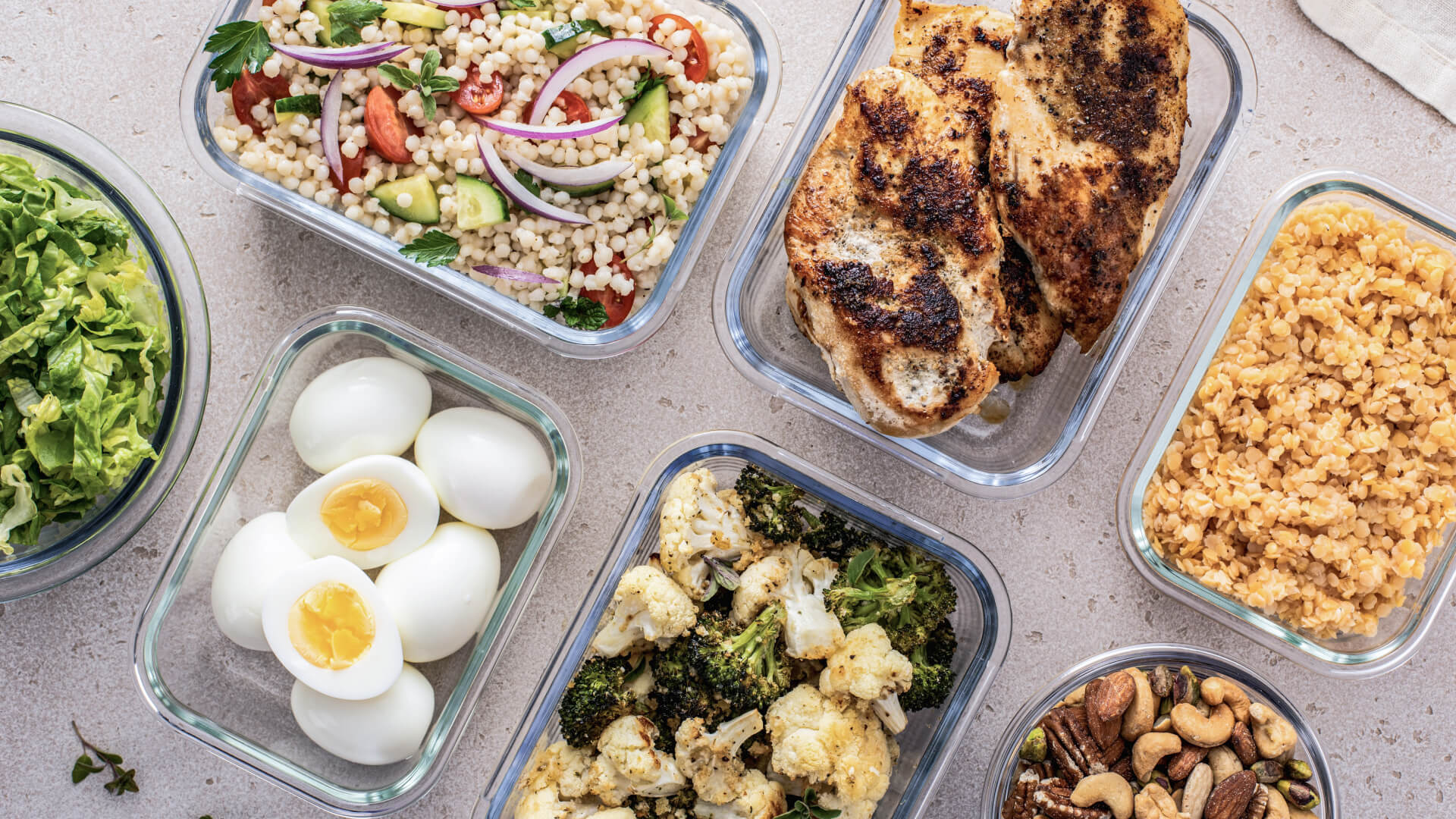
Sticking to your 150 g protein goal can be tough, especially when life gets busy. Having a variety of protein-packed and healthy snacks for weight loss on hand is key to meeting your protein needs without feeling overwhelmed, as suggested below.
15-20g Protein Snacks
1 cup Greek yogurt with 2 tbsp nuts (17g protein)
Protein smoothie with powder + milk base (18g protein)
Large cottage cheese bowl with fruit (16g protein)
10-15g Protein Snacks
2 hard-boiled eggs (12g protein)
Lentil salad, ½ cup serving (9-12g protein)
Trail mix with nuts and seeds, 1oz (7-12g protein, depending on mix)
5-10g Protein Snacks
Beef or turkey jerky, 1oz (9g protein)
Roasted chickpeas, ¼ cup (6g protein)
Apple slices with 2 tbsp peanut butter (8g protein)
Quick Grab-and-Go Options
String cheese + almonds
Protein bars (choose ones with 15g+ protein)
Edamame cups
Tuna packets with crackers
Protein powder mixed in coffee or water
Meal Prep Snack Ideas
Egg muffins (batch cook on weekends)
Portioned nuts and seeds
Pre-made protein smoothie packs
Homemade protein energy balls
Building Toward 150 g a Day: A Realistic and Rewarding Goal
Getting 150 grams of protein a day might seem challenging at first, but with a bit of planning and consistency, it’s absolutely doable. Whether you’re following an omnivore, vegetarian, or vegan diet, there are plenty of ways to meet your protein needs without relying on supplements or complicated meals.
Remember, staying on track often means prepping ahead, keeping protein-rich snacks on hand, and making small, intentional adjustments to your routine. Don’t worry if it’s not perfect every day: the important thing is making progress toward your goals. Keep at it, and you’ll start seeing results!
FAQs About 150g of Protein per Day Meal Plans
1. Do I Really Need 150g of Protein Every Day?
Not everyone needs 150g of protein daily. However, if you're an athlete, trying to build muscle, or in a calorie deficit, this higher intake can help preserve muscle and support your fitness goals. It’s also beneficial for older adults or anyone recovering from illness or surgery.
2. How Can I Make My Meals More Varied While Still Hitting 150g of Protein?
You can rotate protein sources like lean meats, eggs, tofu, legumes, and dairy, and experiment with different recipes to avoid repetition. Adding herbs, spices, and different cooking techniques also keeps meals exciting.
3. How Do I Adjust My Protein Intake Based on My Weight or Activity?
To calculate your specific protein needs, consider factors like body weight and activity level. If you're highly active or aiming to build muscle, you may need closer to 1.2–2.0g of protein per kilogram of body weight, which could easily add up to 150g a day.