

Dumbbell Incline Bicep Curl
-
 10-12 reps
-
 Intermediate
-
 Biceps
The incline dumbbell curl is performed lying back on an incline bench, letting your arms hang fully behind your torso line at the bottom of the rep, with a fixed grip held throughout. That extended starting position gives the biceps’ long head a deeper stretch than a standing curl allows, which is also why this version tends to feel noticeably harder at the same weight.
Meet Muscle Booster
-
 3000+exercise library
- 70M+downloads
- 4.6rating**based on 128,000 AppStore ratings
Featured in

Muscles worked by Dumbbell Incline Bicep Curl
-
 Primary
Biceps
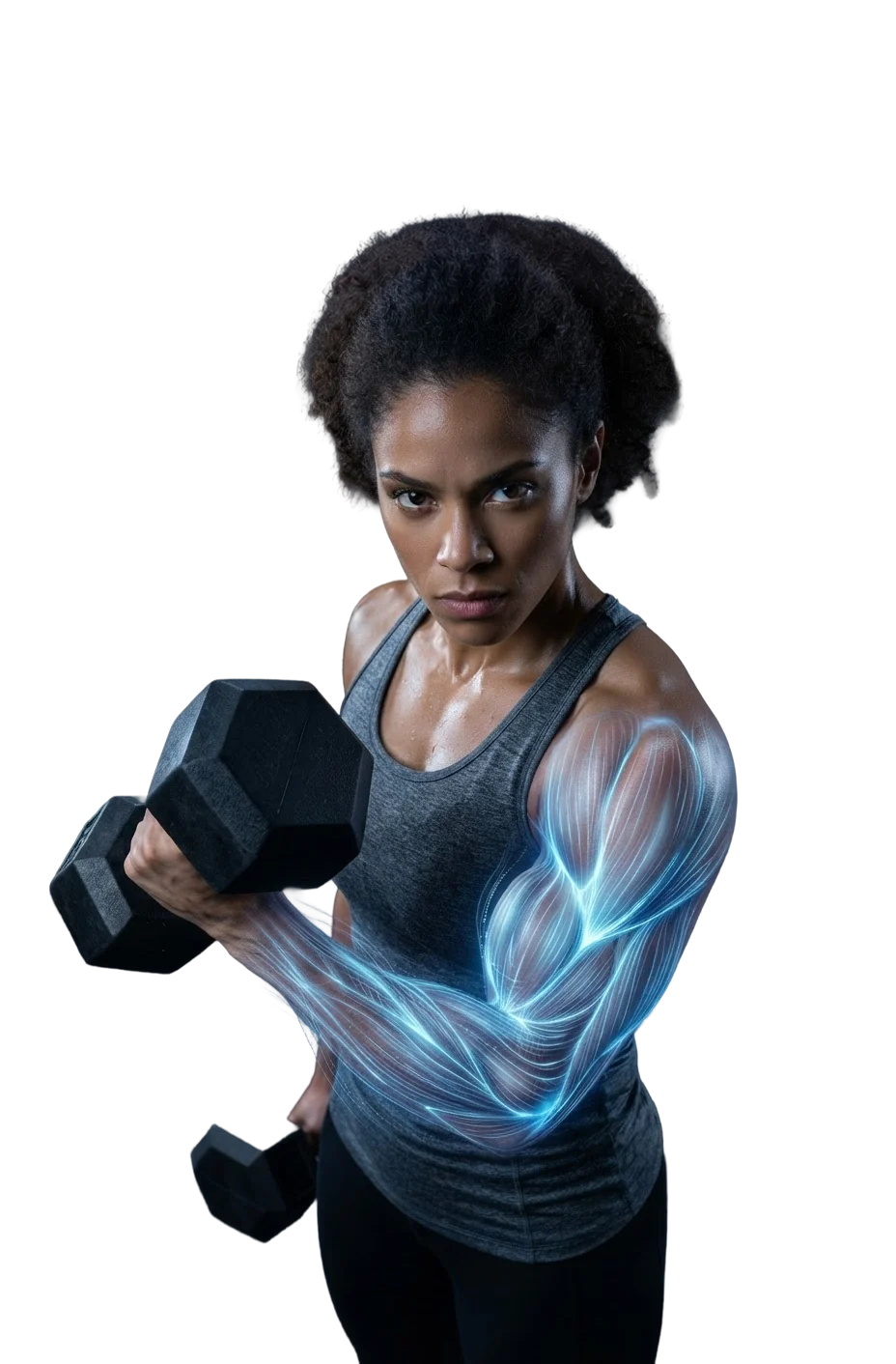
The muscles on the front of your upper arms. They do most of the work, bending your elbows to curl the dumbbells up from a long stretch.
-
 Assisting
Forearms
The muscles between your elbows and wrists. They help you keep a firm palms-up grip so the dumbbells don’t tilt.
How to do Dumbbell Incline Bicep Curl
-
Lie back on an incline bench set to roughly 45-60 degrees, dumbbells hanging at your sides, palms facing forward.
-
Keep your back and shoulders against the bench so your arms hang fully behind your torso line.
-
Curl both dumbbells toward your shoulders, holding the same fixed grip throughout and keeping your elbows still.
-
Squeeze at the top without letting your shoulders roll forward.
-
Lower slowly back to full extension to keep the full stretch, then repeat.
Why add Dumbbell Incline Bicep Curl to your plan
-

A deeper stretch
Than standing curls allow.
-

Isolates the biceps well
The bench removes the ability to swing the torso for momentum.
-

Complements standing and cable curls
For a fuller range of bicep stimulus.
-

A useful progression
Once standing curls feel controlled and easy.
Form mistakes to avoid
-
Letting the shoulders roll forward
To “help” the curl at the bottom, reducing the stretch benefit.
-
Using a weight too heavy
To control the full stretched range.
-
Rushing the lowering phase
Instead of controlling the return to full extension.
-
Setting the bench too shallow or too steep
Changing how much stretch the position actually provides.
Muscle Booster insight

Use lighter dumbbells so your shoulders stay back and the stretch stays intact
Letting your shoulders roll forward at the bottom makes the curl easier to start, but it removes the deep stretch this exercise exists to train. If you need that roll to get the weight moving, the dumbbells are too heavy. Choose a lighter pair and keep your shoulders back against the bench. A lighter weight with a full stretch trains the intended range better than a heavier weight that skips it.






People also ask
FAQ
Find answers to common questions about this exercise.
Why do incline curls feel harder than standing curls?
The bench position stretches the biceps’ long head more at the bottom, which is a mechanically harder position to curl from than a standing curl’s more neutral starting point.
Is this the same as the “Dumbbell Incline Curl” page?
On this page, the Dumbbell Incline Bicep Curl is the fixed-grip version, with palms held in the same position throughout, while the Dumbbell Incline Curl page covers a version with a wrist rotation. In everyday gym language the two names are often used for the same movement, so this distinction still needs confirming against how the Muscle Booster app lists them.
What muscles does an incline dumbbell curl target?
The biceps, with a particular emphasis on the long head because of the stretch at the bottom of the rep. The forearms assist the grip.
What angle should the bench be for incline curls?
Roughly 45 to 60 degrees. A bench that is too upright reduces the stretch, and one that is too flat makes the exercise feel more like a standard curl.