

Cable Bicep Curl
-
 10-12 reps
-
 Beginner
-
 Biceps
The cable bicep curl uses a low pulley with an SZ-bar or straight bar attachment, keeping tension on the biceps throughout the entire range of motion — including the bottom, where a dumbbell curl typically feels easiest. That constant tension is the exercise’s main distinguishing feature.
Meet Muscle Booster
-
 3000+exercise library
- 70M+downloads
- 4.6rating**based on 128,000 AppStore ratings
Featured in

Muscles worked by Cable Bicep Curl
-
 Primary
Biceps
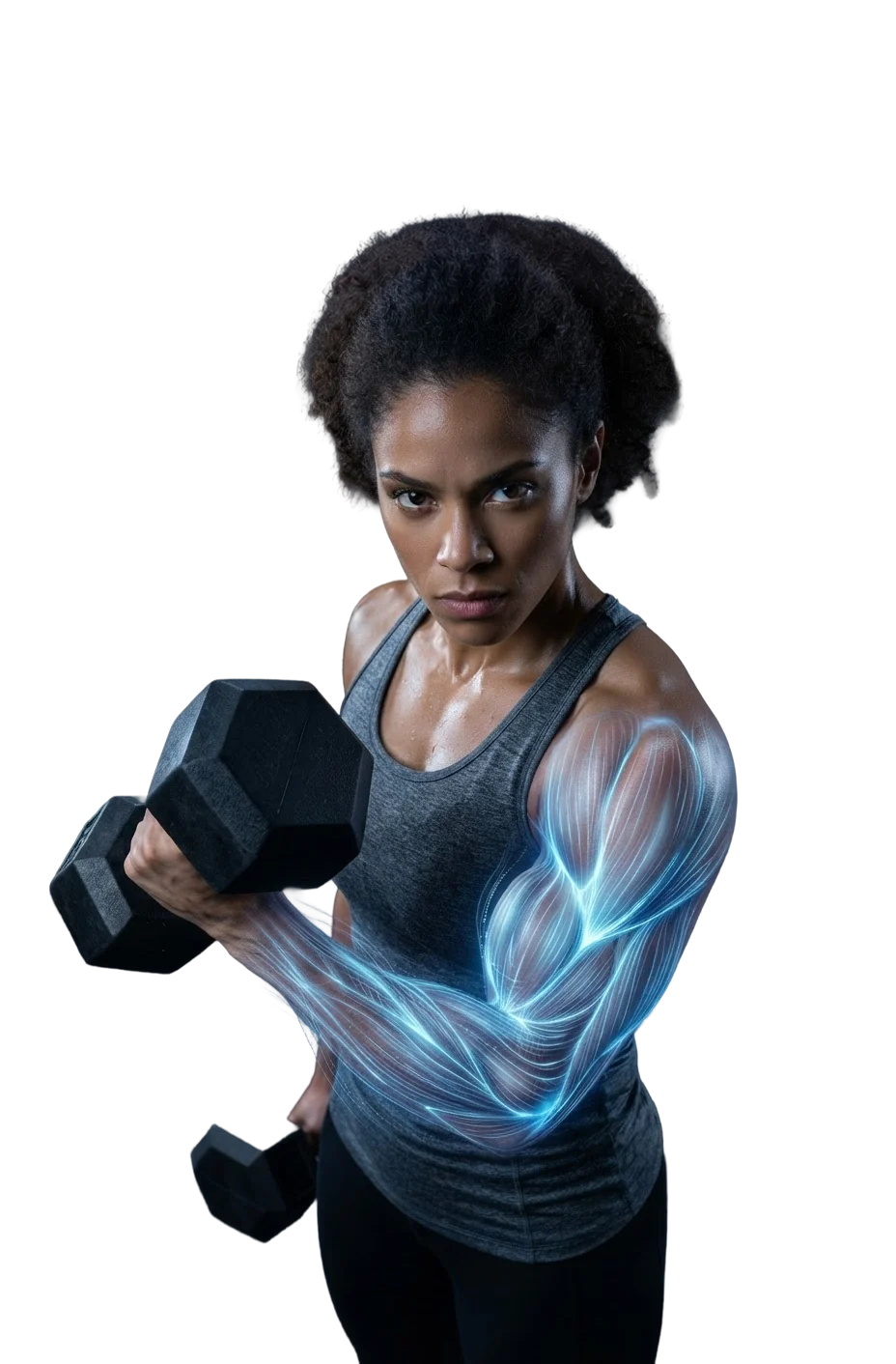
Your classic arm-flexing muscles, on the front of your upper arm. They drive the curl, staying under load even when your arm hangs straight.
-
 Assisting
Deep arm muscle (brachialis)
A muscle lying underneath your biceps, in the upper arm. It helps bend your elbow, sharing the lift with your biceps.
- Assisting
Forearms
The muscles between your elbow and wrist. They support your grip on the bar so it doesn’t slip as the cable pulls on your hands.
How to do Cable Bicep Curl
-
Stand facing a low cable pulley, gripping the attached bar with palms facing up.
-
Step back slightly so the cable has tension, with your elbows at your sides and your torso tall.
-
Curl the bar up toward your shoulders.
-
Squeeze your biceps at the top without leaning back.
-
Lower slowly to full extension, keeping tension on the cable.
Why add Cable Bicep Curl to your plan
-

Constant tension throughout the range
Unlike a dumbbell curl.
-

Consistent resistance
Makes it easier to isolate strict form.
-

SZ-bar option can be more wrist-comfortable
Than a straight bar for some people.
-

Complements dumbbell and barbell curls
For varied bicep training stimulus.
Form mistakes to avoid
-
Leaning back or using the hips to help lift the weight
Instead of isolating the biceps.
-
Letting the cable pull the arms down too quickly
On the return instead of controlling it.
-
Flaring the elbows away from the torso
During the curl.
-
Using too much weight
Shortens the usable range of motion.
Muscle Booster insight

Expect the bottom of the rep to feel harder than with dumbbells
With a dumbbell, the bottom of a curl, arm hanging straight down, is close to the easiest point, because gravity pulls straight down and your biceps have little leverage. A cable removes that free moment by keeping resistance on your biceps even with your arm fully straight. If the bottom feels harder than it does with dumbbells, the exercise is working as designed, not a sign your setup is off. Don’t cut the rep short.






People also ask
FAQ
Find answers to common questions about this exercise.
Cable curl vs. dumbbell curl — what’s the advantage?
Cable curls keep tension on the biceps through the full range, including the bottom position, where a dumbbell curl typically has the least tension due to gravity’s angle.
What’s an SZ-bar and does it matter for curls?
An SZ-bar is a bar with angled bends. It can be more wrist-comfortable than a straight bar for some people, but both train the biceps.
What muscles does a cable bicep curl target?
The biceps are kept under tension through the full range, with the forearms assisting the grip.
Should I lean back during a cable curl?
No. Leaning back or using the hips takes work away from the biceps. Keep your torso still.